This Side Up
Tackling disposable footwear pollution with recycled cardboard shoes
What:
Footwear Design, Sustainable Design and Material Science
Who:
Imperial College London and Royal College of Art
When:
2024
Context:
Disposable footwear is widely used in settings such as hotels, hospitals, and airports, often made from non-biodegradable materials like EVA and polypropylene. These shoes contribute significantly to landfill waste, posing a major environmental challenge.
Outcome:
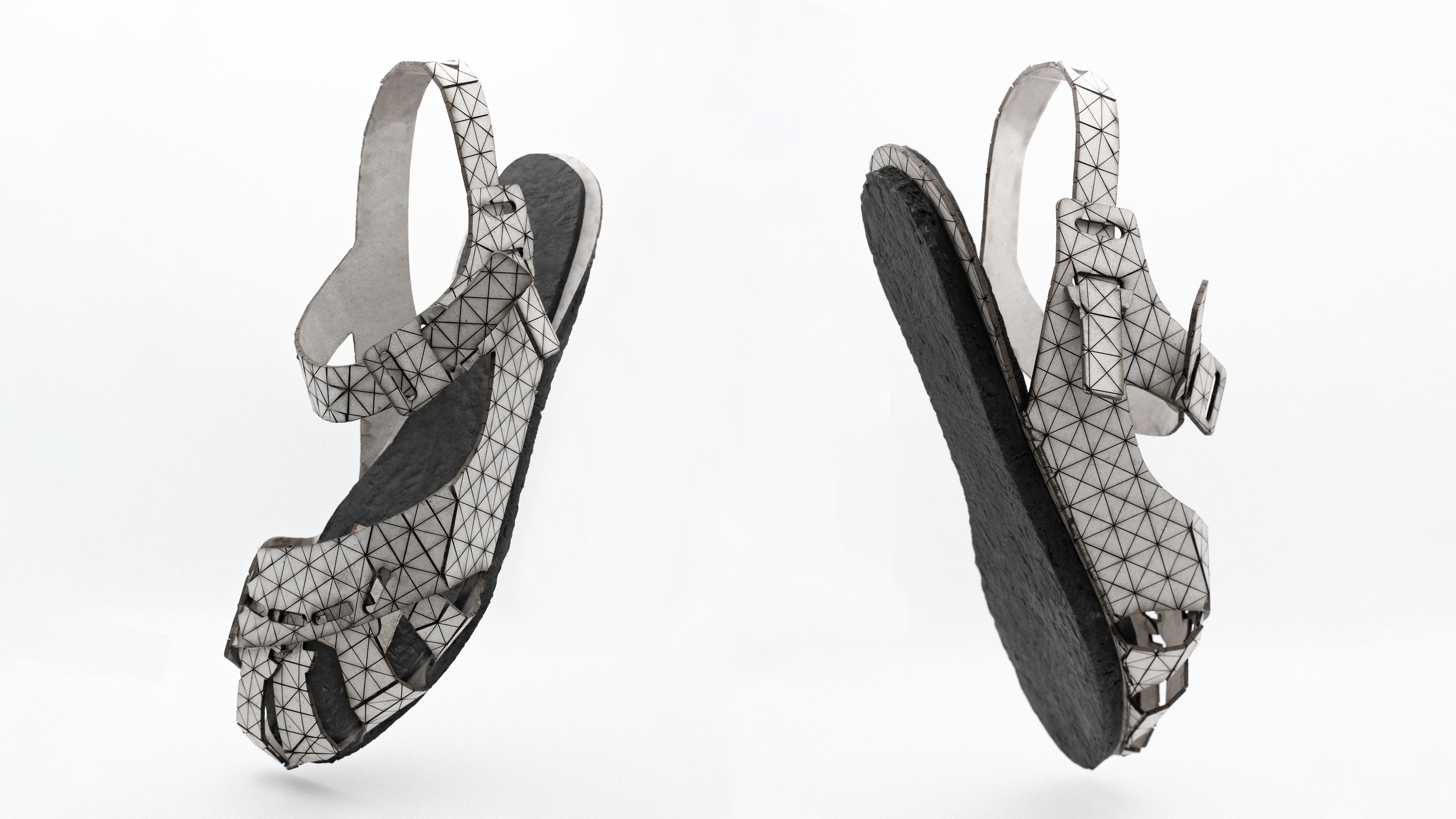
A flat-pack, disposable shoe made from waste cardboard. The design allows users to assemble the shoe without adhesives, making it both practical and eco-friendly. To enhance durability, I developed a biodegradable composite for the soles using glutinous rice flour, cardboard, and shellac resin.
My Role:
I divided my time between footwear design and material development. Using a laser cutter, I prototyped the shoe pattern and added score lines to enhance the flexibility of the upper. Additionally, I conducted material experiments to improve durability and water resistance.
Awards and Press:
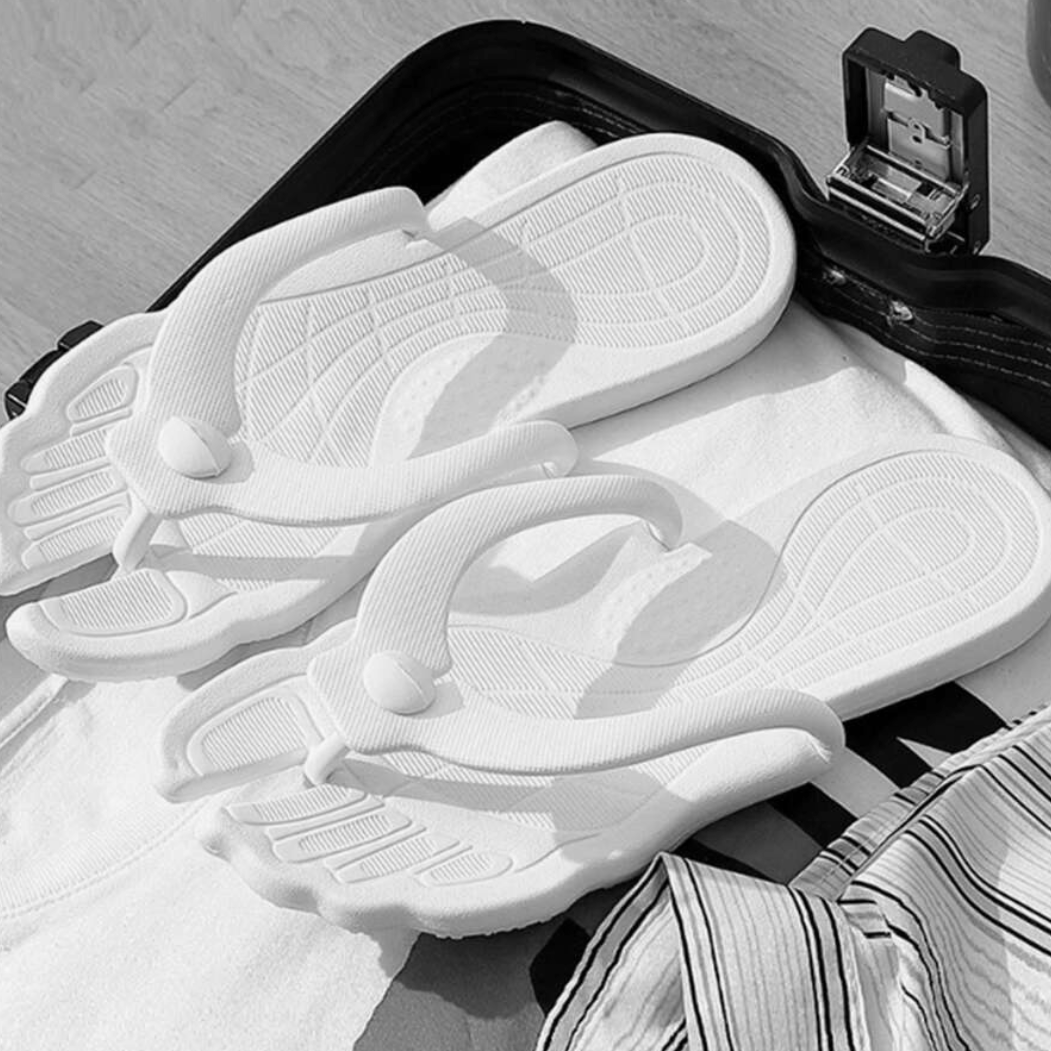
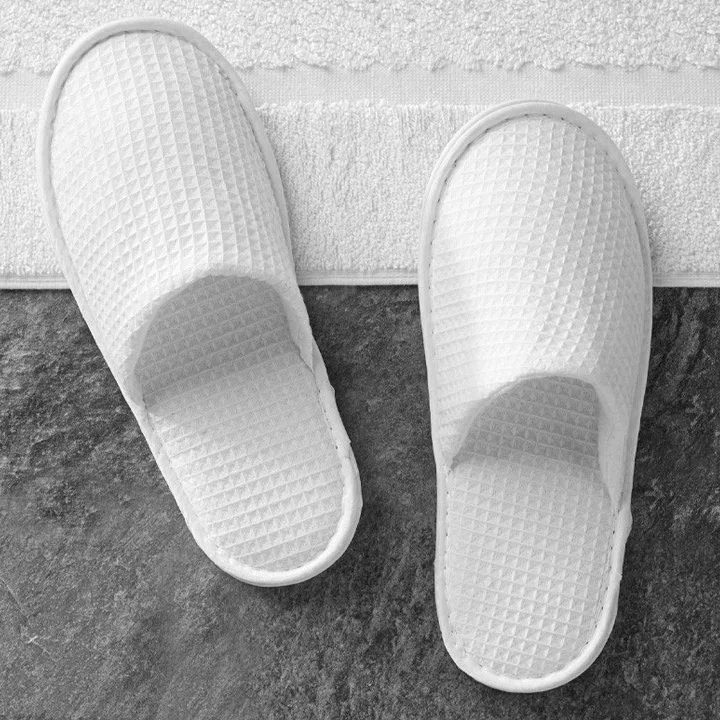
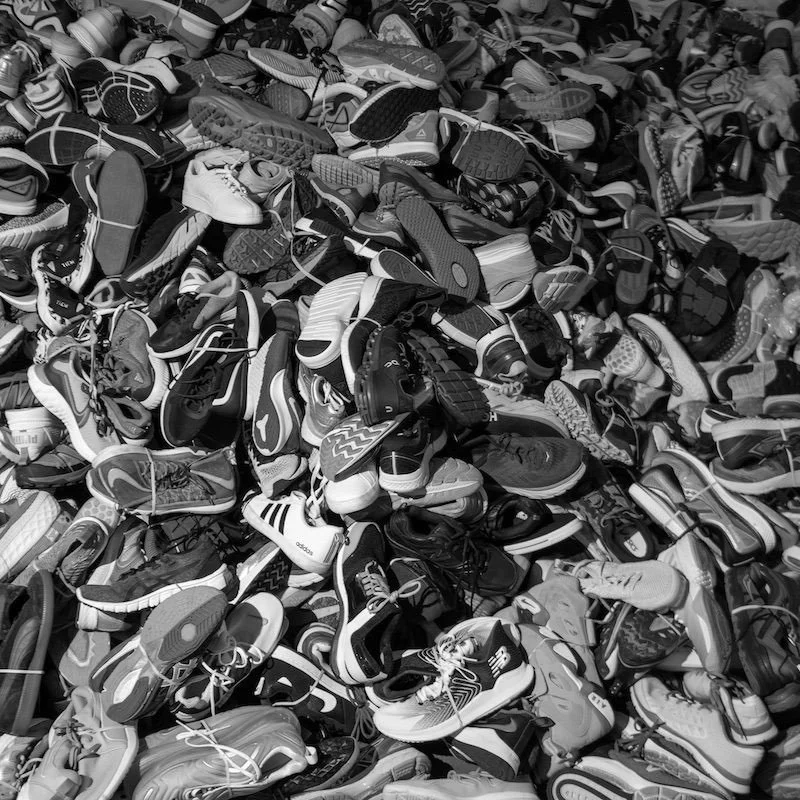
Disposable shoes - often used in hospitals, airports, hotels, spray tanning booths and on holiday - usually make their way to landfill. These are usually made from non-biodegradable materials such as EVA and polypropylene.
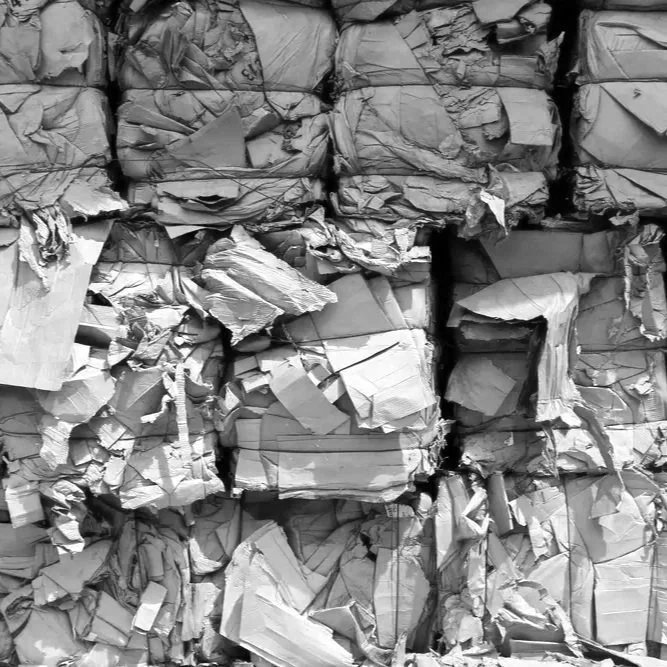
However, shoe waste does not end with the shoe itself. Cardboard shoeboxes, if not properly recycled, also end up in landfill. When cardboard breaks down, it releases methane, a greenhouse gas with a global warming capacity 21 times greater than carbon dioxide.
My shoe, entitled THIS SIDE UP, seeks to address both of these issues, with the creation of a fully biodegradable disposable shoe made from waste cardboard.
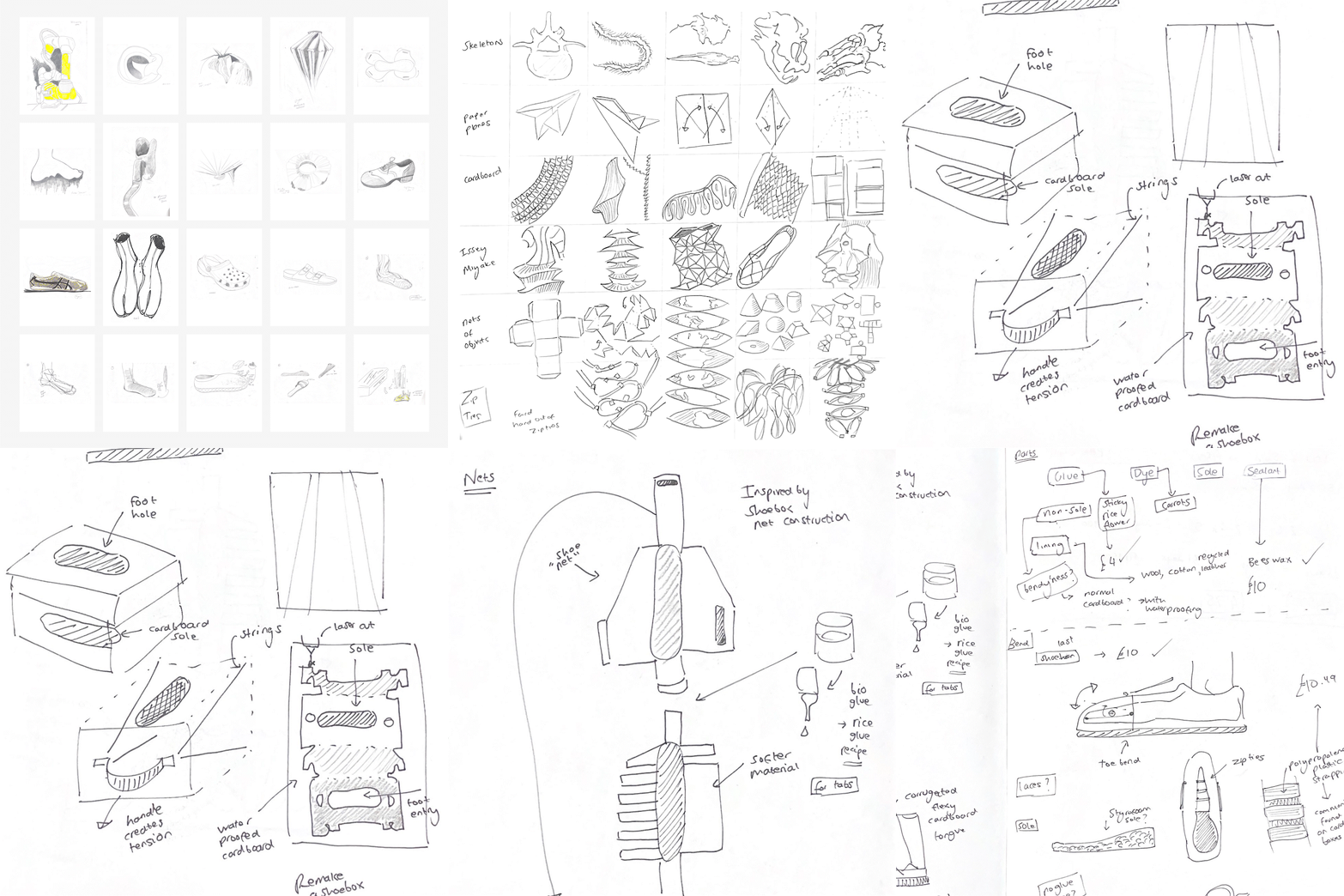
For the design of my shoe, I was inspired by shoebox and packaging design. The shoe will be shipped as a single flat piece of material, and the wearer can simply fold it around their foot. The flat-pack design further improves sustainability and makes for an interesting design challenge. The sole is made from a durable, waterproof cardboard composite, while the upper is made from a more flexible formulation.
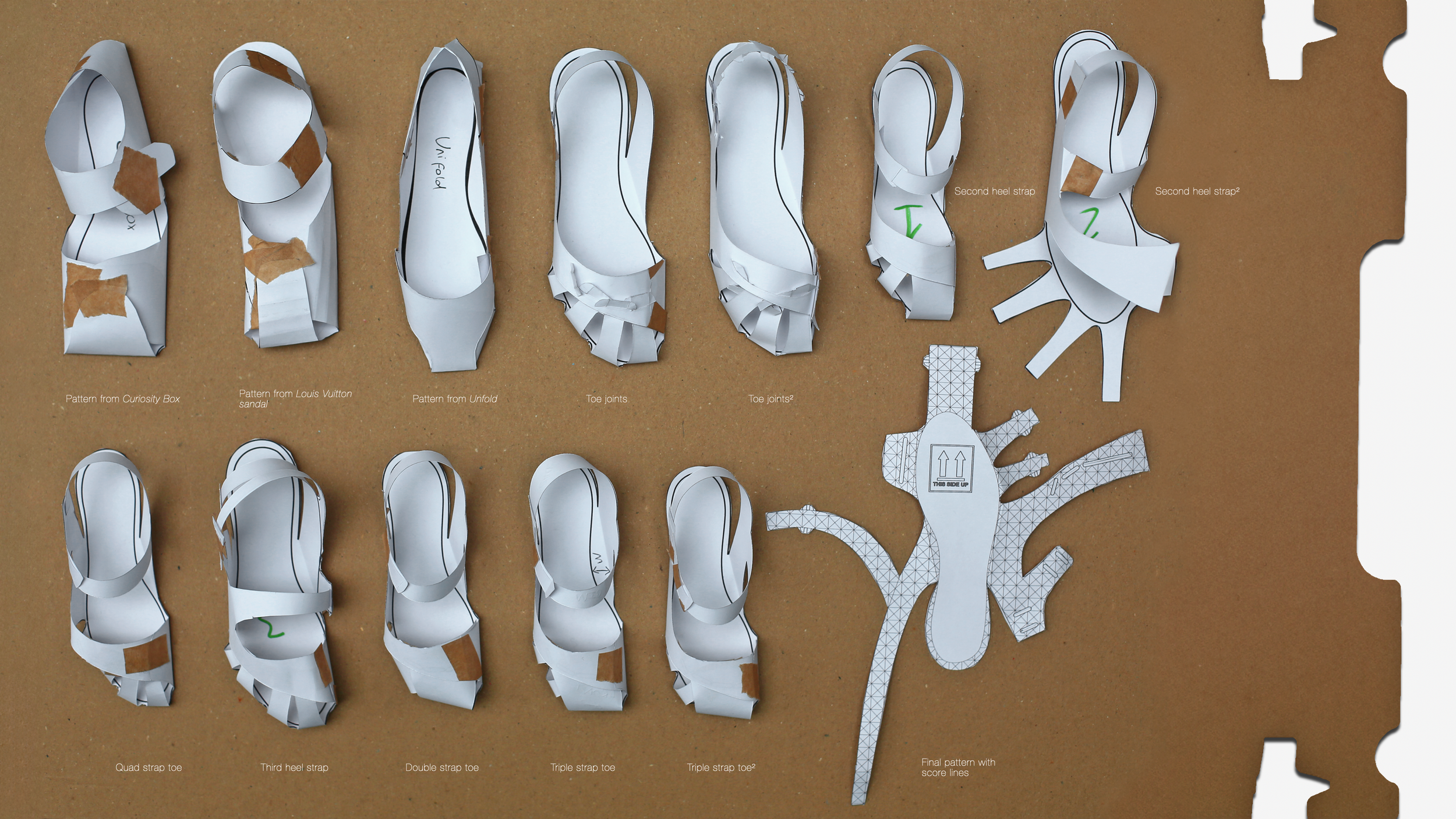
I prototyped the form by making some lo-fi models from paper, inspired by a sandal shoe pattern. Much of these iterations were researching the heel supports and the toe of the shoe. I determined the correct number of straps in the flat pattern to ensure that there wasn’t overcrowding when folded, and also developed a method to join the toe straps without glue.
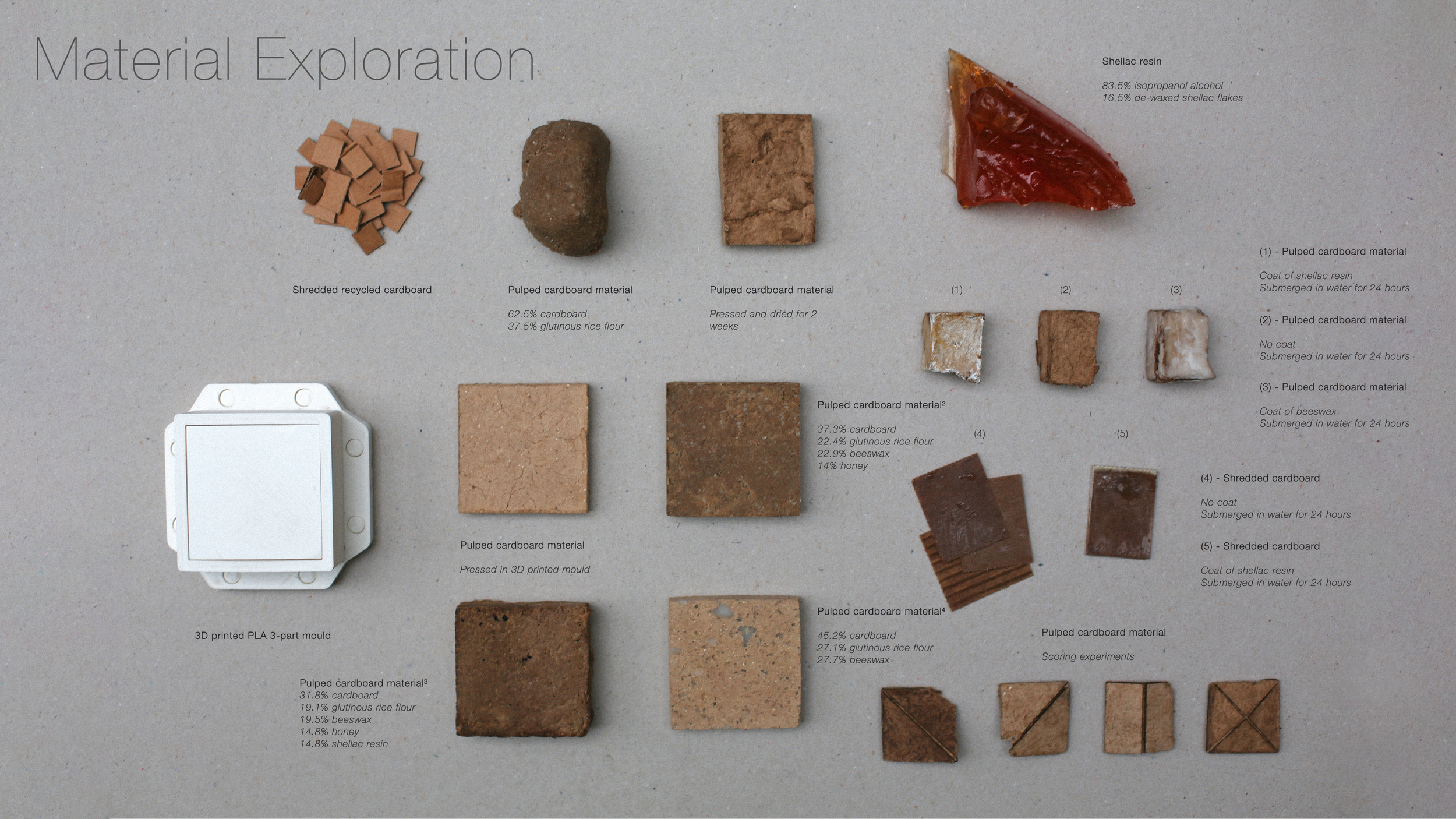
Whilst prototyping materials for my shoe, I explored mutiple cardboard composites, experimenting with varying quantities of cardboard, glutinous rice flour, bees wax, honey and shellac resin to change properties such as flexibility and durability.
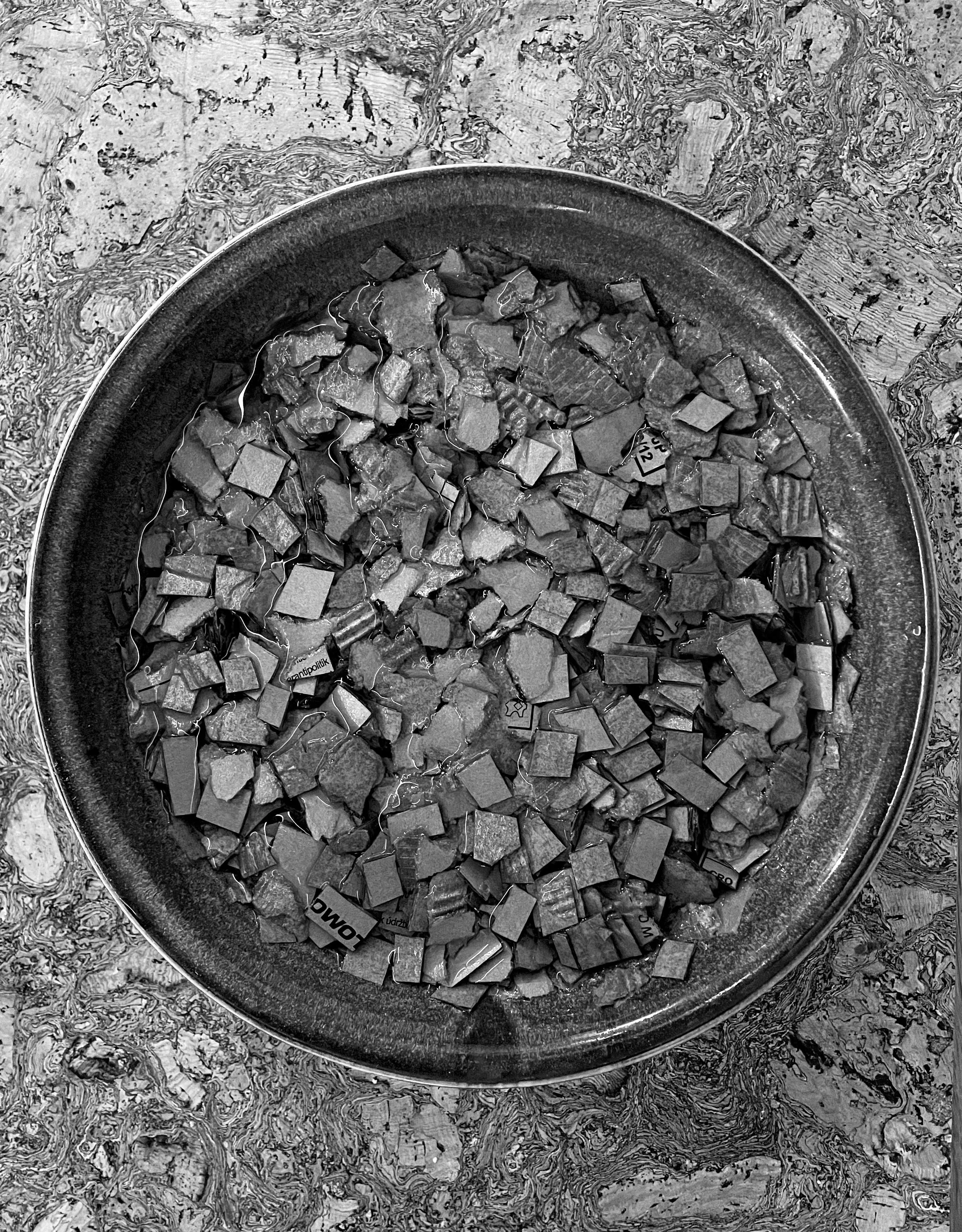
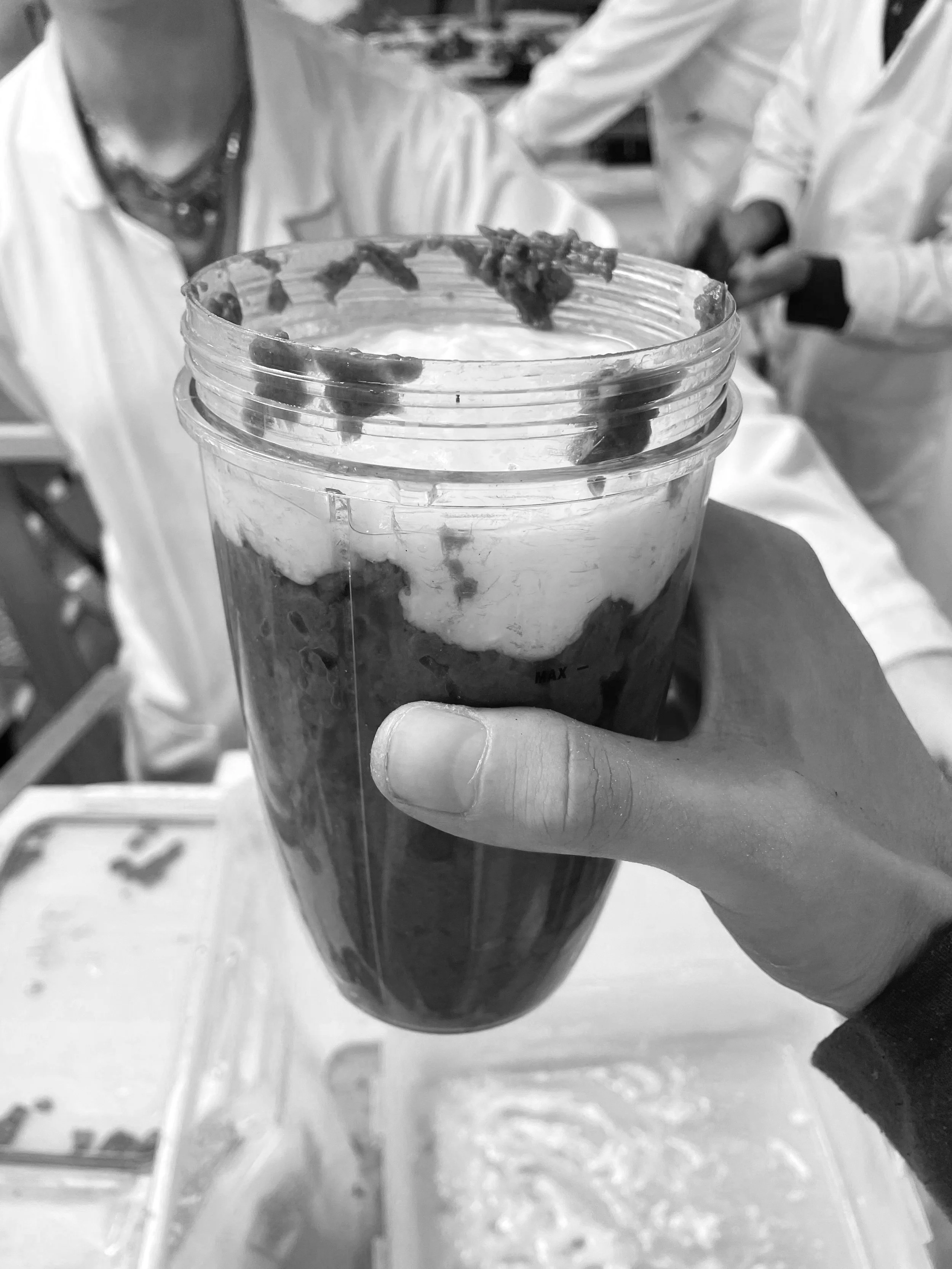
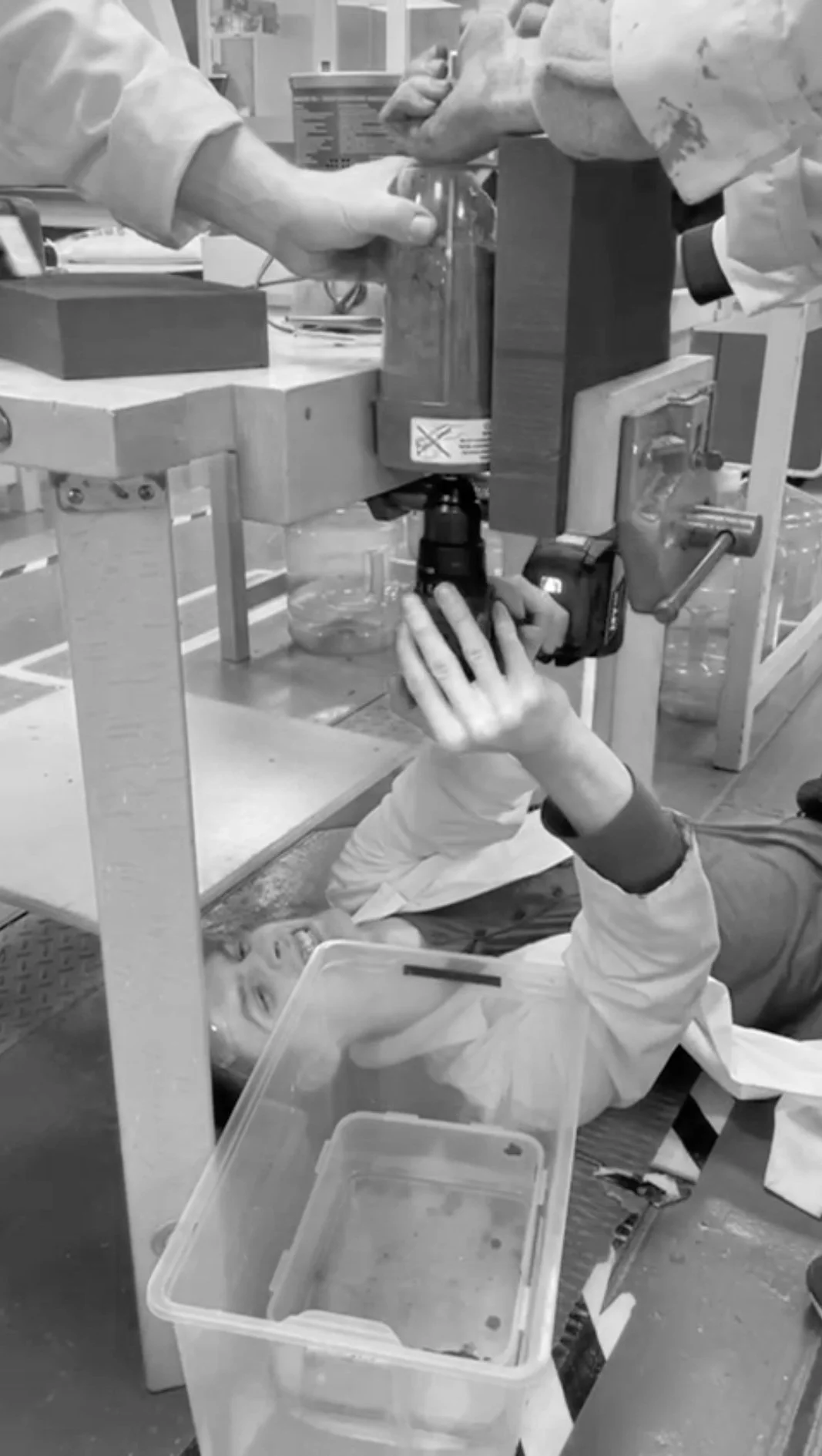
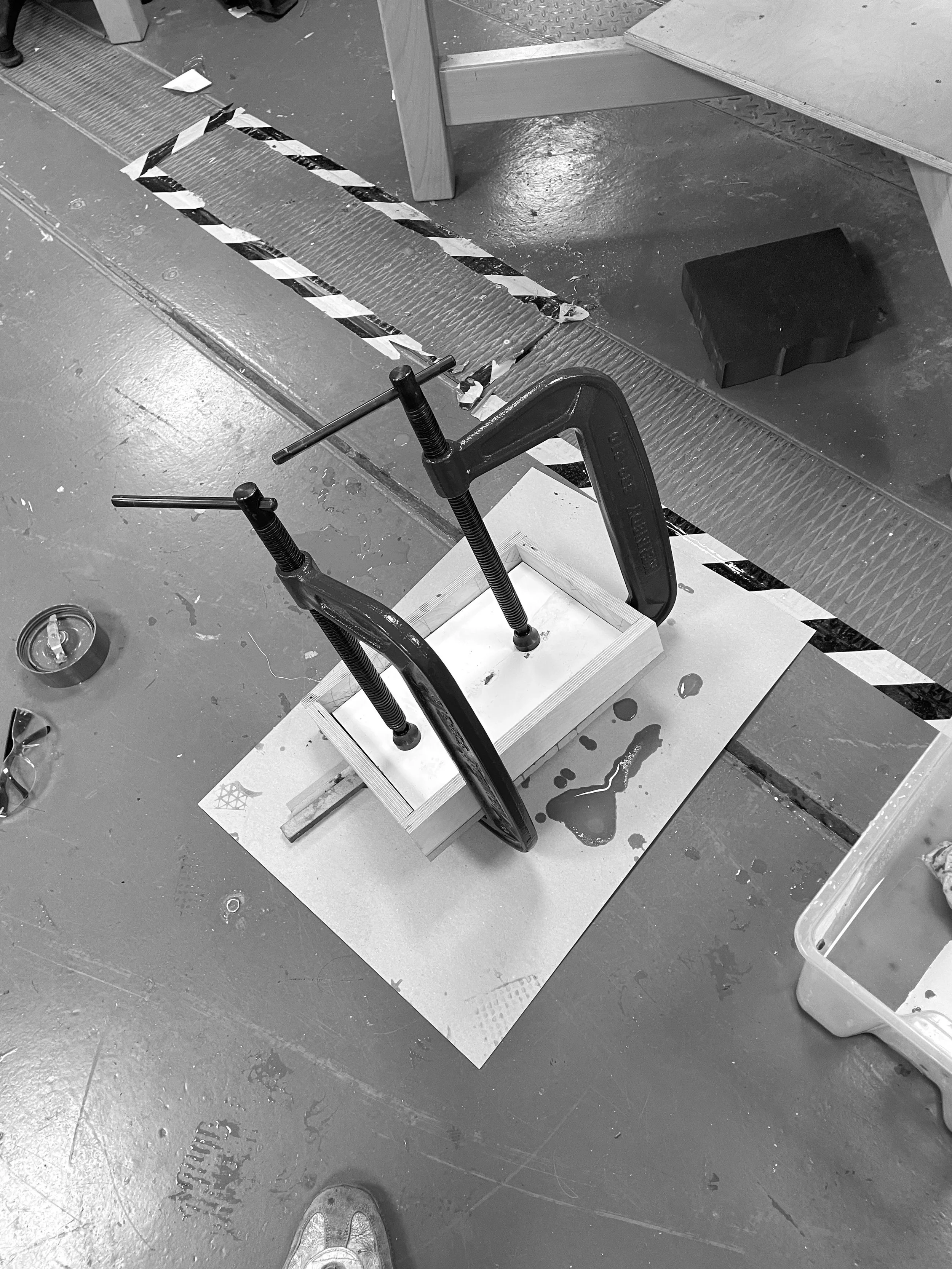
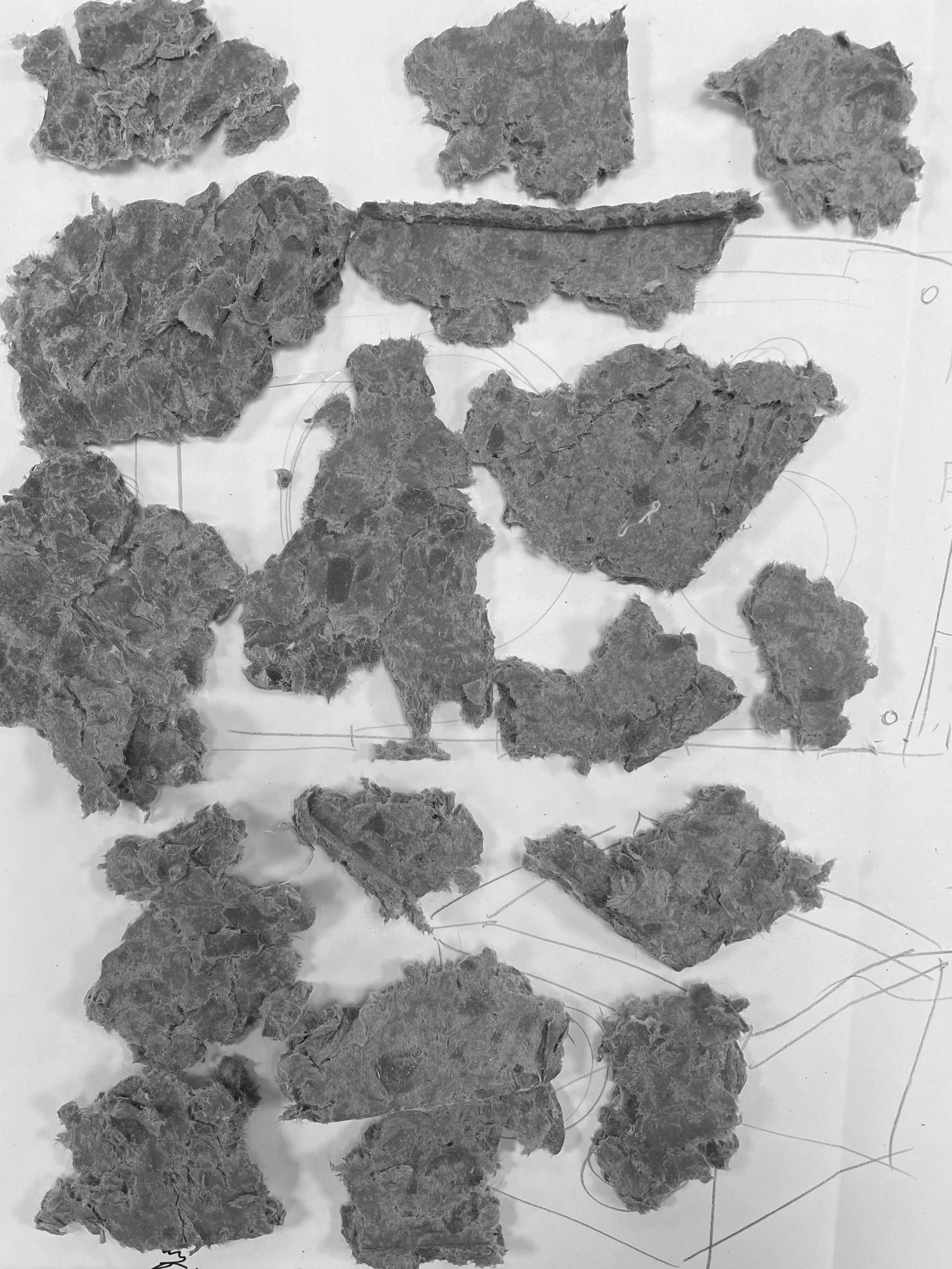
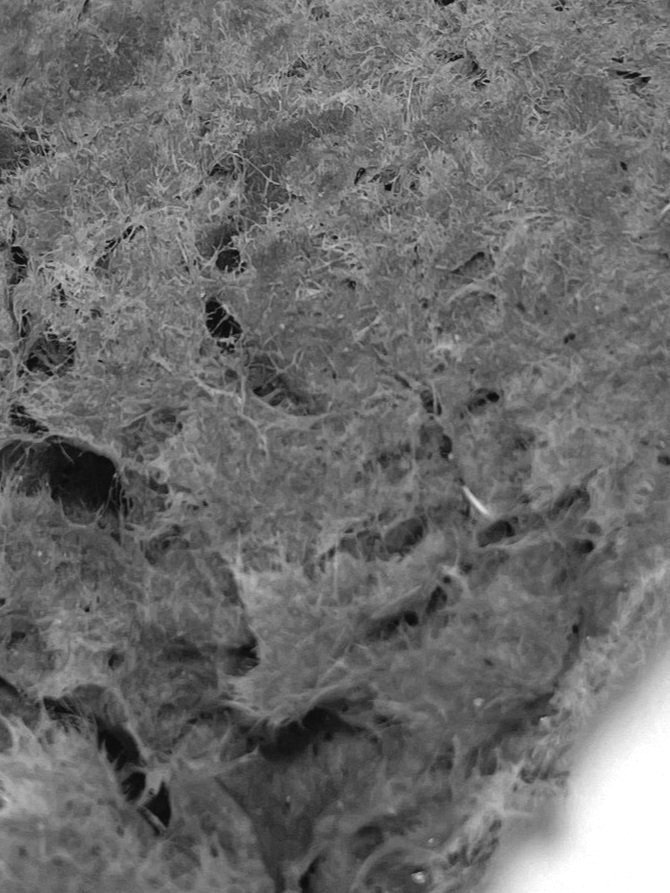
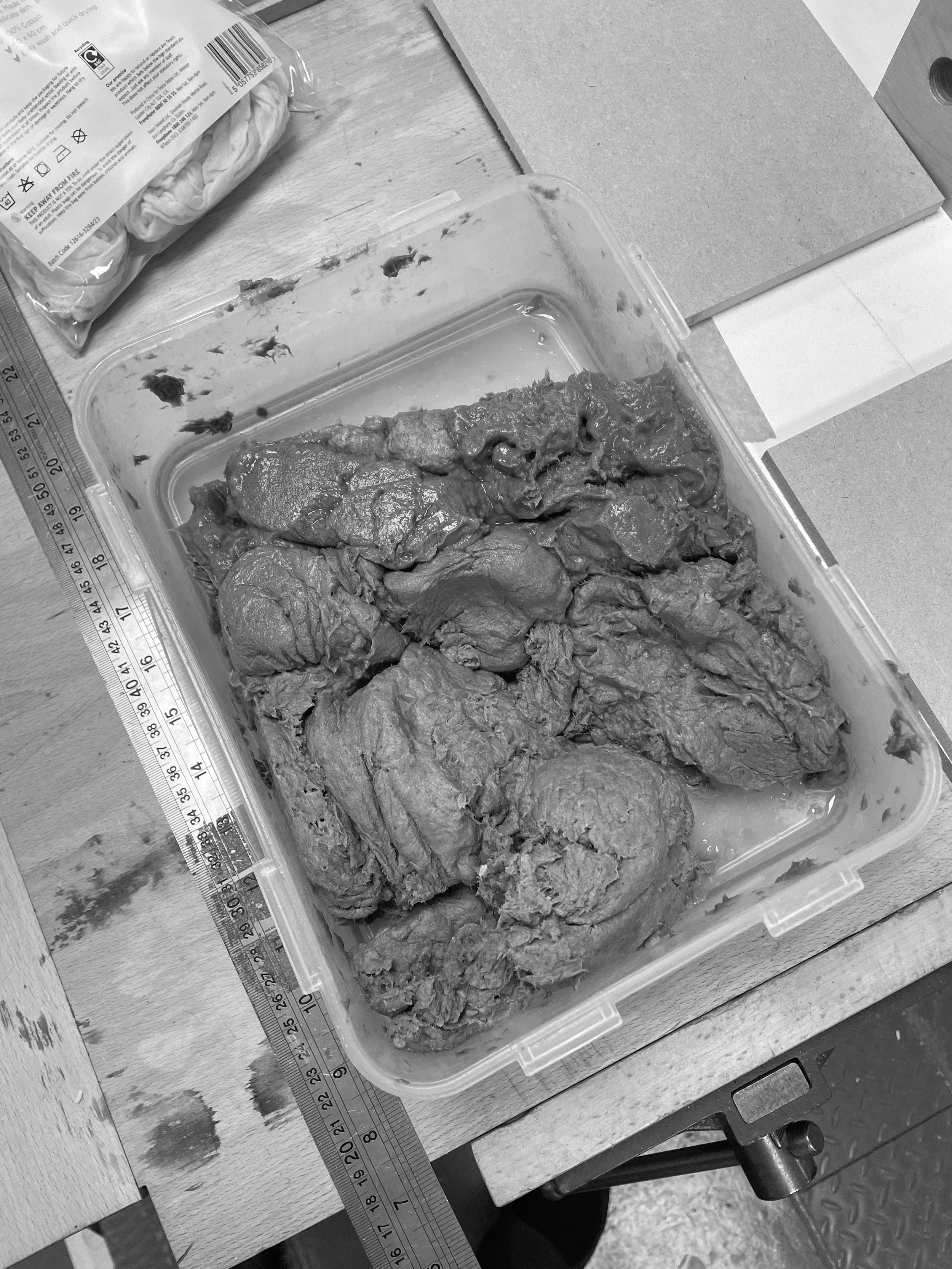
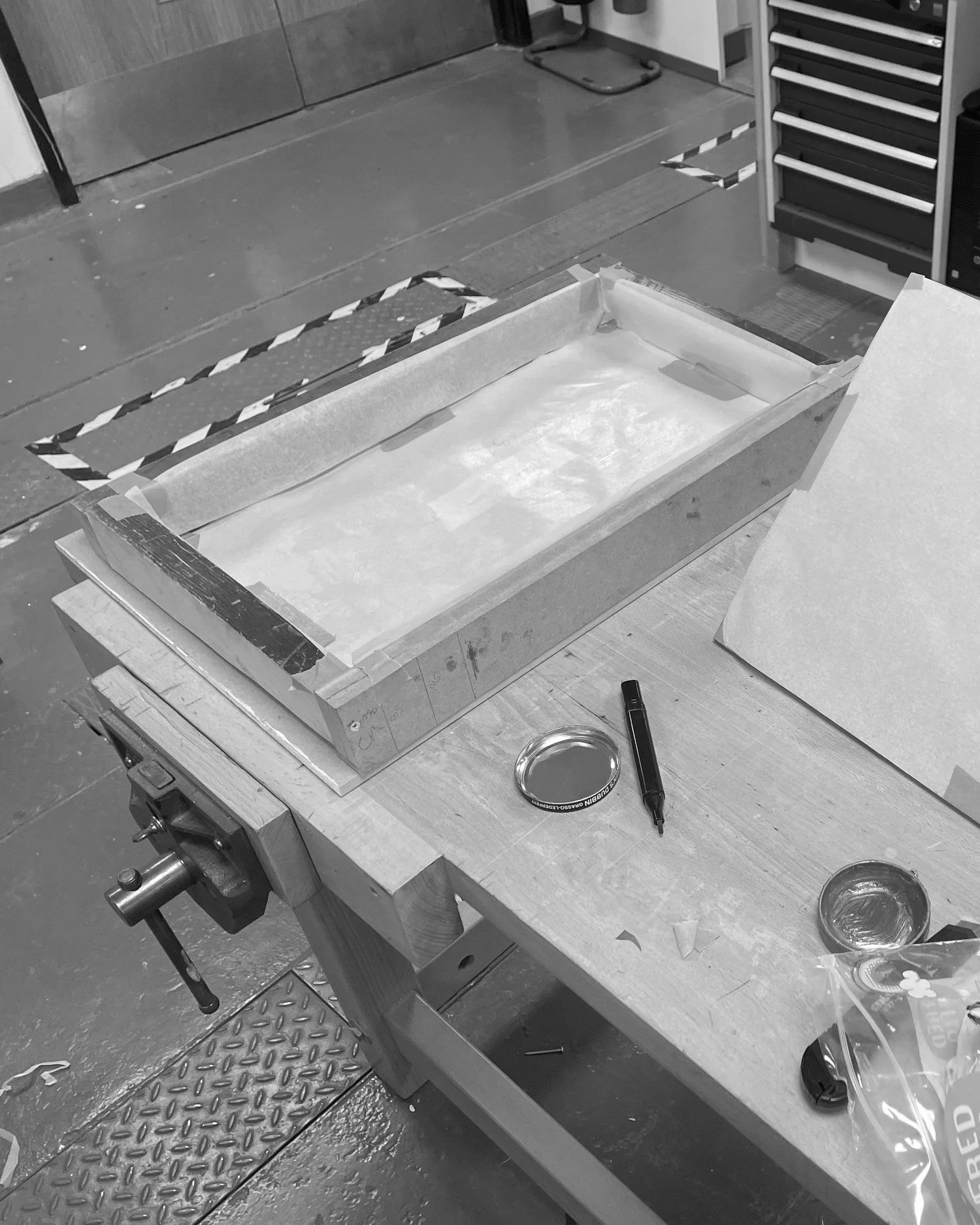

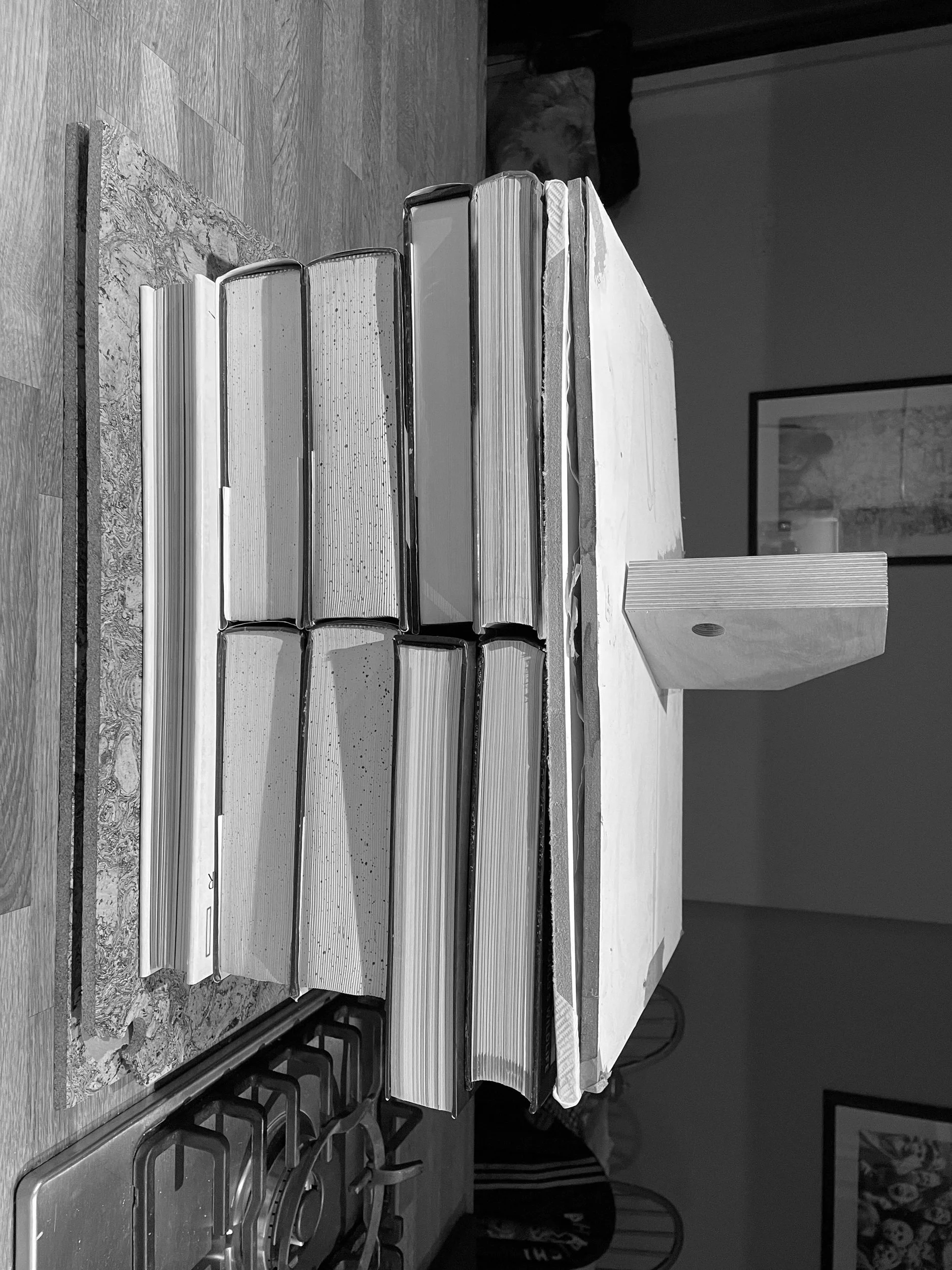
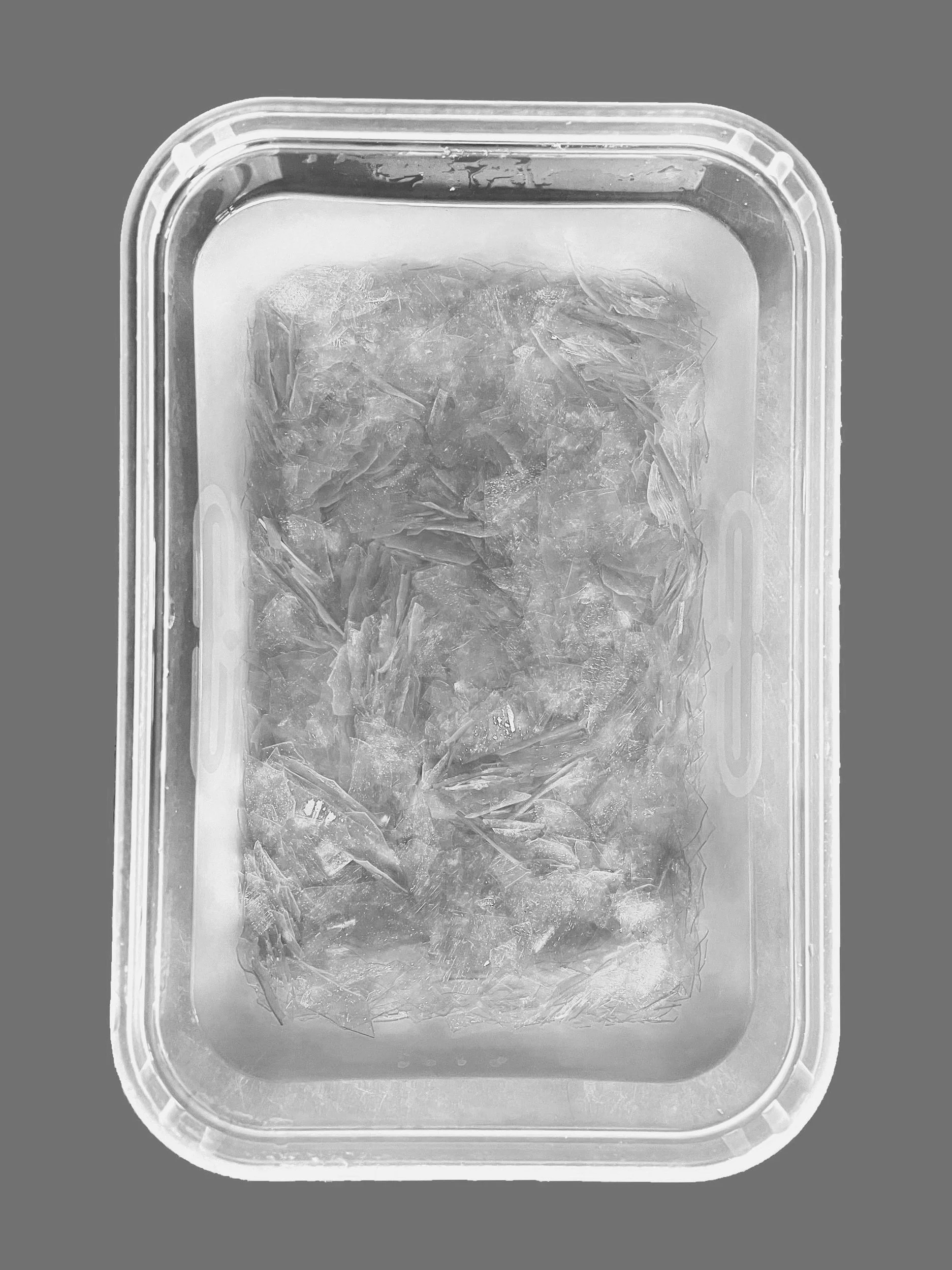
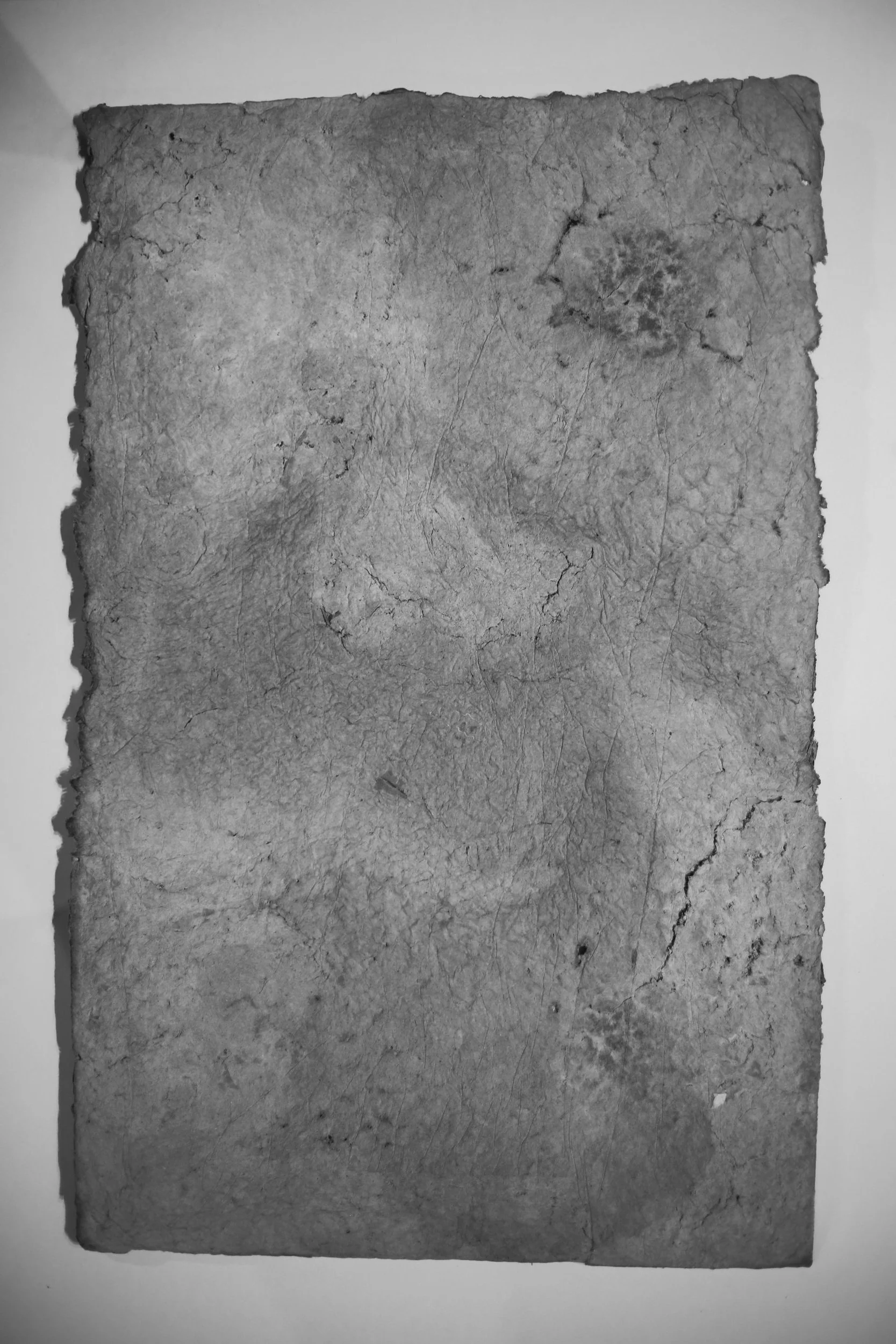
This is the final process to create the biodegradable cardboard composite for my shoe upper. I first shredded cardboard and soaked it for several days in water. I then blended the solution with 3 parts cardboard and 1 part glutinous rice flour. This acts as a binding agent, strengthening the material. I then built a wooden press to clamp down the material whilst it dried. For the sole material, I added a coat of shellac resin to improve durability and waterproofing, whilst preserving biodegradability.

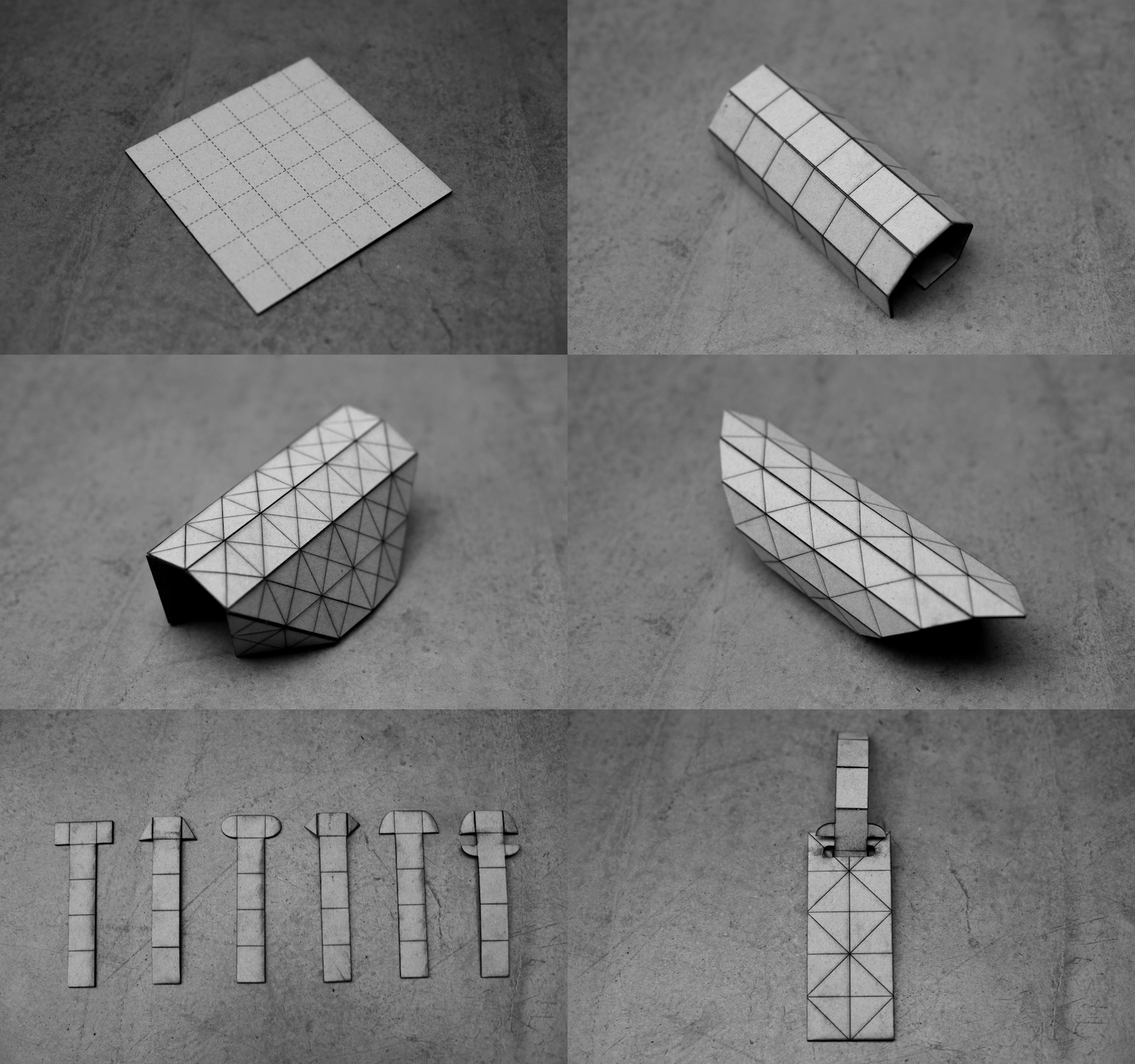
To improve the flexibility of my shoe upper, I experimented with scoring patterns on the material with a laser cutter. Increasing the scoring density can increase the flexibility, and different score angles can be used to make twistable straps with the material.
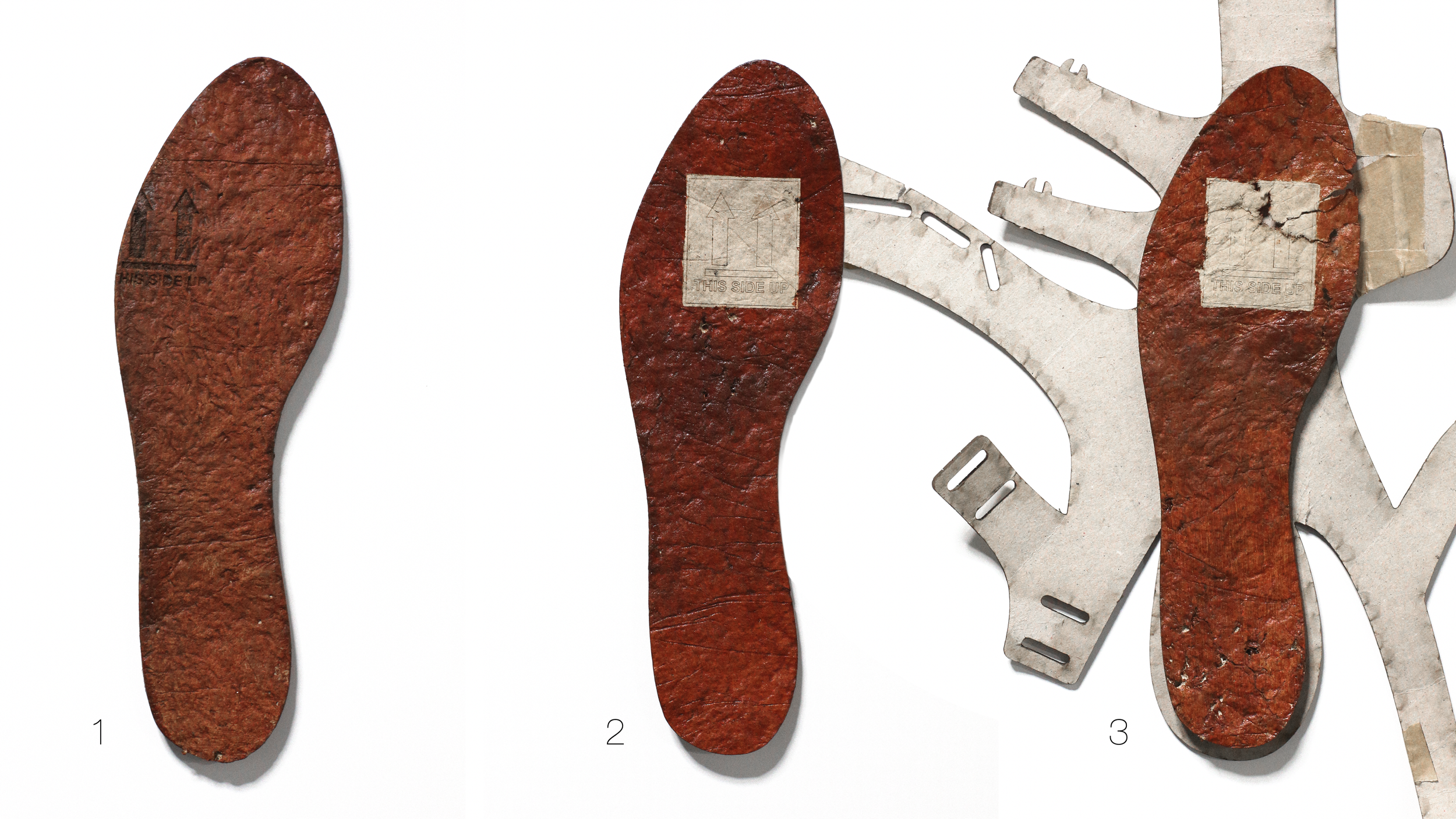
The final soles for my shoe, made from the cardboard composite material, and coated with natural shellac-based resin.